What Harrow Council expects from Hatch End gardeners
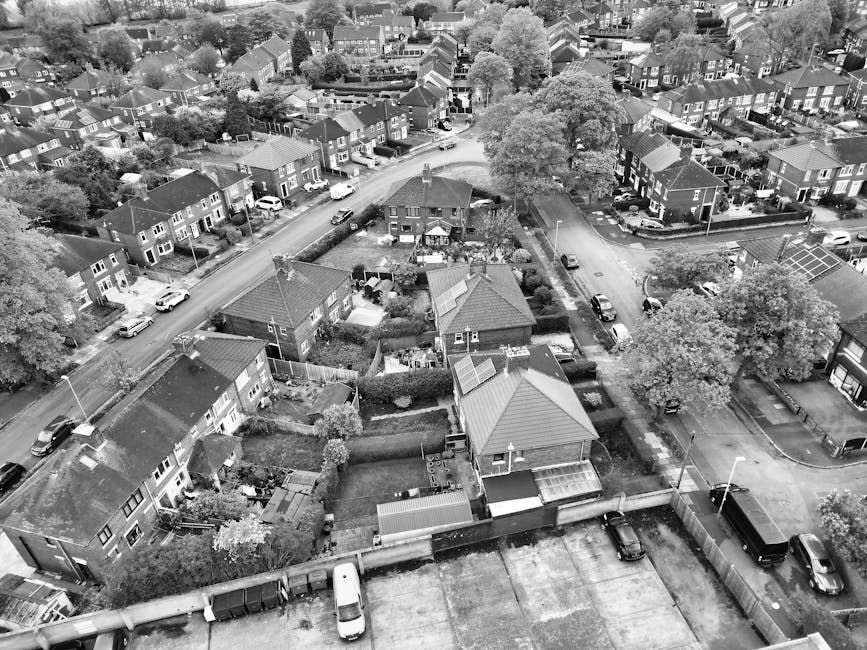
If you garden in Hatch End, you are not just keeping a lawn neat and a hedge straight. You are also working within the everyday expectations that Harrow Council places on local homeowners, tenants, landlords, and the gardeners they hire. That sounds a bit formal, but in practice it comes down to simple things: keep gardens tidy, do not create hazards, dispose of waste properly, and respect neighbours and the street outside your property.
In other words, good gardening in Hatch End is about more than appearance. It is about safety, access, neighbour relations, and making sure your outdoor space does not become a nuisance. This guide explains What Harrow Council expects from Hatch End gardeners, how those expectations show up in real work, and what to do if you want your garden maintenance to stay on the right side of practical local standards.
Truth be told, most garden issues are preventable. A few missed cutbacks, some fly-tipped cuttings, a blocked pavement, and suddenly a tidy job becomes a complaint. Let's make that less likely.
- Why it matters
- How it works
- Key benefits and practical advantages
- Who needs this and when it makes sense
- Step-by-step guidance
- Expert tips for better results
- Common mistakes to avoid
- Tools, resources and recommendations
- Law, compliance, standards or best practice
- Options, methods, or comparison table
- Case study or real-world example
- Practical checklist
- Conclusion
- Frequently asked questions
Why What Harrow Council expects from Hatch End gardeners Matters
Garden standards may sound like a small thing until they start affecting other people. A hedge that leans over the pavement, a pile of green waste left out too long, or overgrown shrubs hiding a front path can all lead to complaints, inconvenience, or even a safety issue. That is why council expectations matter: they help keep shared spaces usable and private gardens manageable.
For Hatch End in particular, where many properties have visible front gardens, side access, shared boundaries, and narrow pavements, small maintenance problems can become very noticeable. A front hedge that looks harmless from inside the property can feel like an obstruction to someone walking past with a buggy, a stick, or a shopping bag. You know how it goes. It only takes one rainy evening and a few awkward branches to turn a tidy street into a bit of a squeeze.
The council's general concern is not perfection. It is responsibility. Gardens should be maintained so they do not become unsafe, untidy, or disruptive. That includes the way work is carried out, not just the final appearance.
If you want broader service support, many residents start by reviewing the team's services overview and then matching the work to the garden's condition rather than guessing. That is often the sensible route, to be fair.
How What Harrow Council expects from Hatch End gardeners Works
There is no single, universal "garden rulebook" for every street corner, and that is where people sometimes get tripped up. Instead, expectations tend to come from a combination of local nuisance standards, safe work practices, waste handling duties, and common-sense property management. A gardener in Hatch End is expected to work in a way that leaves the site safe, the frontage clear, and the waste properly dealt with.
In practical terms, that means a professional gardener should usually:
- keep paths, drives, and front boundaries clear while working
- avoid leaving cuttings, soil, or debris where they can blow into the street
- manage hedge and shrub growth before it causes obstruction
- handle green waste responsibly rather than dumping it on-site
- use equipment safely and with due care for people and property
- work in a way that does not create unnecessary noise, mess, or risk
That last point is easy to overlook. The job is not done when the mower stops. A proper finish means sweeping up, checking access routes, and looking at the garden from the pavement as well as from the patio. If the neighbours would still call it messy, the work probably needs one more pass.
For routine upkeep, a service such as garden maintenance is usually the best fit because it keeps small problems from becoming larger ones. For heavier jobs, a one-off tidy-up or garden clearance may be the more realistic choice.
Key Benefits and Practical Advantages
Meeting council expectations is not just about avoiding trouble. It also makes a garden better to live with. A tidy, accessible, well-managed outdoor space feels calmer. It is easier to mow, easier to enjoy, and much easier to explain to a neighbour if branches cross a boundary by accident.
Here are the main practical benefits:
- Reduced complaint risk: overgrown frontages and untidy waste are common sources of friction.
- Better safety: clear paths, cut back edges, and tidy surfaces reduce trip hazards.
- Improved kerb appeal: especially useful if you are selling, letting, or simply want the house to look cared for.
- Less maintenance pressure: regular work is easier than emergency catch-up work.
- Better neighbour relations: nobody enjoys a branch dispute on a Tuesday morning.
There is also a quieter benefit: peace of mind. When the garden is under control, you are not mentally carrying it around all week. That sounds small, but lots of people feel it immediately. The back door opens, the space looks usable, and the whole property breathes a little more.
If your garden includes larger hard landscaping features, it helps to keep them in good condition too. Well-finished patios, edging, and boundary features can support a neat overall appearance. If that is on your list, landscaping and landscape gardening are worth considering alongside the softer maintenance work.
Who This Is For and When It Makes Sense
This topic matters to more people than you might think. Homeowners in Hatch End, of course. But also landlords, letting agents, property managers, and anyone paying for garden work who wants the job done properly and without awkward follow-up.
You are likely in this group if:
- your hedge or front garden is visible from the pavement
- your garden waste has started to accumulate after a few missed cuts
- you have shared access, side returns, or boundary issues
- you are preparing a property for sale or new tenants
- you have had a warning, complaint, or neighbour comment
- you simply do not want the garden to slide into that "we'll deal with it next month" stage
It also makes sense for anyone who hires a gardener for regular visits. Not every gardener works to the same standard, and not every customer knows how to check whether a site has been left safe and tidy. A little shared understanding helps a lot.
For example, a landlord might want the front hedge trimmed before viewings, while a homeowner might need monthly lawn care and seasonal clearance. A local gardener who understands practical expectations can adjust the job instead of just hacking away and hoping for the best. That matters.
Step-by-Step Guidance
If you want to meet local expectations without overcomplicating things, use a simple sequence. It keeps the work focused and avoids those half-finished weekends where the bins are full, the hedge is leaning, and nobody has the right pruning shears.
- Assess visibility and access. Stand at the pavement, gate, or shared path and look at what others see and use.
- Identify any hazards. Check for blocked walkways, broken branches, slippery surfaces, and hidden trip points.
- Cut back what is causing obstruction. Focus first on access, then on appearance.
- Remove waste promptly. Bag, load, compost, or transfer green waste in a controlled way rather than piling it up.
- Finish with a clean-up pass. Sweep paths, clear edges, and make sure no debris has been left behind.
- Inspect the result from outside. This is the trick people miss. Walk outside and look back in.
That final inspection catches a lot. A hedge can look fine from the kitchen window and still stick out awkwardly onto the footpath. From the street, the problem becomes obvious. It is a small habit, but a very useful one.
If the work is more than routine tidying, you may also need specialist help. Dense overgrowth, unsafe branches, and old timber structures require a more careful approach, and in those cases it can make sense to combine services such as hedge trimming, tree lopping and removal, or even decking services where the garden layout needs an upgrade rather than just a tidy-up.
Expert Tips for Better Results
Here is the sort of advice that makes a genuine difference on the ground, not just on paper.
1. Work from the outside in. Start with what affects public space first: paths, gates, front hedges, drains, and the bits the council or neighbours would notice immediately.
2. Do not wait for a major cut. Regular light maintenance usually gives a better finish than a dramatic once-a-year rescue. It is less stressful too.
3. Keep an eye on boundary lines. Branches and hedges creeping over fences can become arguments quickly. A friendly conversation now is better than a tense one later. Much better.
4. Think about weather and timing. Damp mornings, windy afternoons, and school-run times can all affect how safely and neatly a job is done. A quiet early-morning cut may be ideal; a windy day may not be.
5. Match the method to the plant. A hedge is not a shrub, and a mature tree is certainly not a hedge. Overcutting can create long-term problems, not just short-term ugliness.
6. Use the right disposal approach. Green waste should be separated and managed properly. If there is a large amount, arrange removal rather than assuming it will magically disappear. It rarely does.
For households that want a reliable ongoing routine, it is worth keeping a regular schedule rather than reacting only when things look bad. A seasonal rhythm works well in Hatch End gardens, especially where front-facing planting and lawn edges need frequent attention.
Common Mistakes to Avoid
Most issues come from a handful of very ordinary mistakes. Nothing dramatic. Just the kind of thing that happens when someone is trying to save time and ends up making three extra jobs for themselves.
- Leaving clippings on pavements or shared paths: even a few loose stems can be annoying and untidy.
- Cutting hedges too far back at once: this can damage shape and plant health.
- Ignoring overhanging growth: what seems fine from inside the property may still obstruct the public side.
- Letting waste sit too long: bags and piles attract complaints fast, especially in warmer weather.
- Assuming all garden work is low risk: ladders, power tools, and heavy branches deserve respect.
- Forgetting the final sweep: the difference between "done" and "nearly done" is often only a few minutes.
Another common slip is mixing up cosmetic tidying with true maintenance. A clipped hedge and a clean path are good, yes, but the underlying garden still needs attention. If you leave dead growth, unstable areas, or overcrowded beds untouched, the problem comes back quickly. Gardening has a way of reminding you who is boss.
Tools, Resources and Recommendations
You do not need a van full of gear to keep a garden compliant and presentable, but the right tools make the job safer and tidier. For routine maintenance, a sensible setup usually includes a mower, strimmer, secateurs, loppers, hand shears, gloves, a rake, waste bags, and a good broom.
For larger or more demanding gardens, you may also need:
- sturdy ladders used carefully and only where appropriate
- hedge trimmers for consistent shaping
- protective eyewear and gloves
- strong containers or collection bags for cuttings
- clear segregation for green waste and mixed debris
That said, tools are only half the story. The other half is method. A neat cut with bad waste handling is still a poor job. If you want dependable results, the team's lawn mowing and recycling and sustainability guidance can help frame the work in a cleaner, more responsible way.
It is also sensible to read practical policy pages if you are hiring a provider and want to understand how they operate. For example, health and safety policy, insurance and safety, and payment and security all say a lot about whether a business is set up to handle work professionally. Small detail, big signal.
Law, Compliance, Standards, or Best Practice
This is the area where people sometimes want a crisp, one-line answer. The honest answer is that local expectations usually sit across several practical and legal areas rather than one single council rule. Gardens should not create a public nuisance, waste should be managed properly, and work should be carried out safely. Beyond that, best practice matters a great deal.
In the UK context, gardeners and garden maintenance teams commonly aim to follow these broad principles:
- Do not obstruct public access. Paths, pavements, and entrances should remain usable.
- Handle waste responsibly. Green waste should not be left where it can become a nuisance or fly-tipping issue.
- Use equipment safely. This includes sensible PPE, careful ladder use, and awareness of bystanders.
- Respect property boundaries. If work affects neighbouring land, it should be handled carefully and professionally.
- Maintain a safe site. Loose tools, hidden stumps, and unstable stacks are poor practice, plain and simple.
Where trees, larger branches, or significant removals are involved, the standard of care should be higher again. That does not mean everything becomes complicated, but it does mean the gardener needs to know when a task has moved beyond routine maintenance.
It is fair to say that good gardeners in Hatch End are judged as much on judgment as on cutting skill. Anyone can make a hedge shorter. Fewer people know when not to cut, when to pause, or when to recommend a safer approach.
Options, Methods, or Comparison Table
Different gardens need different responses. A little front lawn with a couple of shrubs is a very different job from a long boundary hedge or a tired garden that has been left for months. The table below compares common approaches.
| Approach | Best for | Strengths | Limitations |
|---|---|---|---|
| Routine maintenance | Gardens that need regular tidying, mowing, edging, and light pruning | Keeps everything manageable, supports a tidy street-facing appearance | Not enough for heavy overgrowth or neglected areas |
| One-off clearance | Overgrown or cluttered gardens after a long gap in care | Fast reset, good for problem areas | Needs follow-up maintenance to stay under control |
| Hedge and boundary work | Front gardens, side returns, and visible edges | Improves access, sightlines, and kerb appeal | Needs careful shaping to avoid harsh cuts |
| Full landscaping support | Gardens that need a structural refresh | Can improve layout, drainage, and usability | Usually more time and planning required |
If you are unsure which route fits your property, a good starting point is usually a conversation about the garden's current state, your goals, and how visible the frontage is from the street. That simple check saves a lot of overbuying, underbuying, and general faff.
Case Study or Real-World Example
Imagine a Hatch End semi with a front hedge, a small lawn, and a side path that has slowly narrowed over spring and early summer. Nothing dramatic. The hedge is a bit too high, the grass is patchy but healthy, and there are clippings from an earlier cut still tucked near the fence line. The owner has not had a complaint, but they have noticed the path feels tighter when carrying shopping bags through the side gate.
A sensible gardener would not begin with the mower. They would start with access and visibility. The hedge would be checked against the pavement line, the side path would be cleared, and the waste would be collected before any final shaping. Then the lawn could be cut cleanly, edges refined, and the whole front rechecked from outside the property.
That approach does two things at once: it satisfies the practical expectations around tidiness and safety, and it also makes the garden feel easier to live with. Not showy. Just right. The sort of result you notice at dusk when the light drops and everything looks calm instead of busy.
If the same garden had a tired timber deck or overgrown side section, the job might also include a small structural refresh through landscaping or decking services. The point is not to do everything at once. It is to do the right thing in the right order.
Practical Checklist
Use this checklist before and after garden work in Hatch End. It is simple, but it catches a lot.
- Front boundary is trimmed back enough not to obstruct the pavement
- Paths, gates, and access points are clear
- Grass is cut, edged, and checked for missed patches
- Hedges and shrubs are shaped without harsh overcutting
- All cuttings and waste are removed or securely contained
- No tools, branches, or debris are left in public view
- Neighbouring property has not been encroached on
- The site has been inspected from the street as well as inside the garden
- Any larger or riskier work has been handled cautiously
- The garden looks tidy enough to live with, not just tidy enough for a photo
And if you are hiring help, ask whether the work includes a proper clean-up. That one question saves arguments later.
Conclusion
At its heart, What Harrow Council expects from Hatch End gardeners is straightforward: keep gardens safe, tidy, and respectful of shared spaces. The details matter, but the principle is simple. A well-kept garden should not create problems for the pavement, the neighbours, or the people using the property every day.
If you get the basics right, the rest becomes much easier. Regular maintenance, sensible waste handling, careful boundary management, and a clean finish after every visit will usually put you in a very good place. And honestly, that is the kind of garden that feels best to come home to.
For ongoing support, it can help to explore the team's about us page, review pricing and quotes, and, when you are ready, speak with the team through the main contact page. A quick conversation now is usually easier than dealing with an overgrown mess later.
Get a free quote today and see how much you can save.
In the end, a good garden is quietly reassuring. Nothing flashy. Just well kept, well judged, and ready for the next season.
Frequently Asked Questions
What does Harrow Council expect from gardeners in Hatch End?
In practical terms, the expectation is that garden work should keep properties tidy, safe, and free from avoidable nuisance. That means trimmed boundaries, clear access, proper waste handling, and a finish that does not create problems for neighbours or pedestrians.
Do I need to keep my hedge away from the pavement?
Yes, in the common-sense sense that overhanging growth should not obstruct or make the pavement awkward to use. If a hedge is spilling into public space, it should be cut back carefully and maintained more regularly.
Can garden waste just be left in bags outside?
Not as a long-term solution. Garden waste should be removed, processed, or securely managed so it does not become untidy, blow around, or cause complaints. A brief staging period may be unavoidable during work, but it should not be left hanging around.
How often should a Hatch End garden be maintained?
That depends on the size of the garden, the planting, and how visible it is. Many front gardens and hedges benefit from regular light maintenance rather than occasional heavy cutting. A little and often usually works best.
What counts as overgrown in a council complaint context?
Usually anything that causes an obstruction, looks neglected, or affects access and visibility may be seen as a problem. There is not always one exact visual threshold, so it is safer to manage growth before it becomes obviously untidy or intrusive.
Is routine mowing enough to meet local expectations?
Sometimes, but not always. A lawn can be neatly mown while the hedge, borders, or paths still look messy. A proper maintenance visit usually looks at the whole garden, not just the grass.
What should a professional gardener leave behind after a visit?
Ideally, nothing except a tidy garden. No loose clippings on the pavement, no scattered debris, no tools left out, and no waste bags forgotten in view. The final clean-up is part of the job, not a bonus.
How do I know if I need clearance rather than maintenance?
If the garden has become tangled, heavily overgrown, or cluttered with old material, clearance may be the better first step. If the space is broadly under control but needs routine care, maintenance is usually the better fit.
Do gardeners need to think about safety when working in small gardens?
Absolutely. Small spaces can be just as risky as larger ones, especially where ladders, sharp tools, or narrow access points are involved. Good work is careful work, even if the job looks simple from the outside.
What if my neighbour's plants are coming over the boundary?
That is best handled calmly and politely first. Boundary growth can be sensitive, and in many cases a friendly conversation solves more than people expect. If the issue is persistent or unclear, professional advice on the work itself can help.
Are landscaping jobs included in council expectations?
They can be, in the sense that any work affecting access, safety, drainage, or boundary appearance should still be done responsibly. A larger landscaping project should leave the property safer and more usable, not create new issues.
Where should I start if I want my garden to look council-ready?
Start with access, boundaries, and waste. Then move to lawns, edges, and any problem planting. That sequence handles the parts most likely to attract attention first and gives the garden a noticeably better finish very quickly.